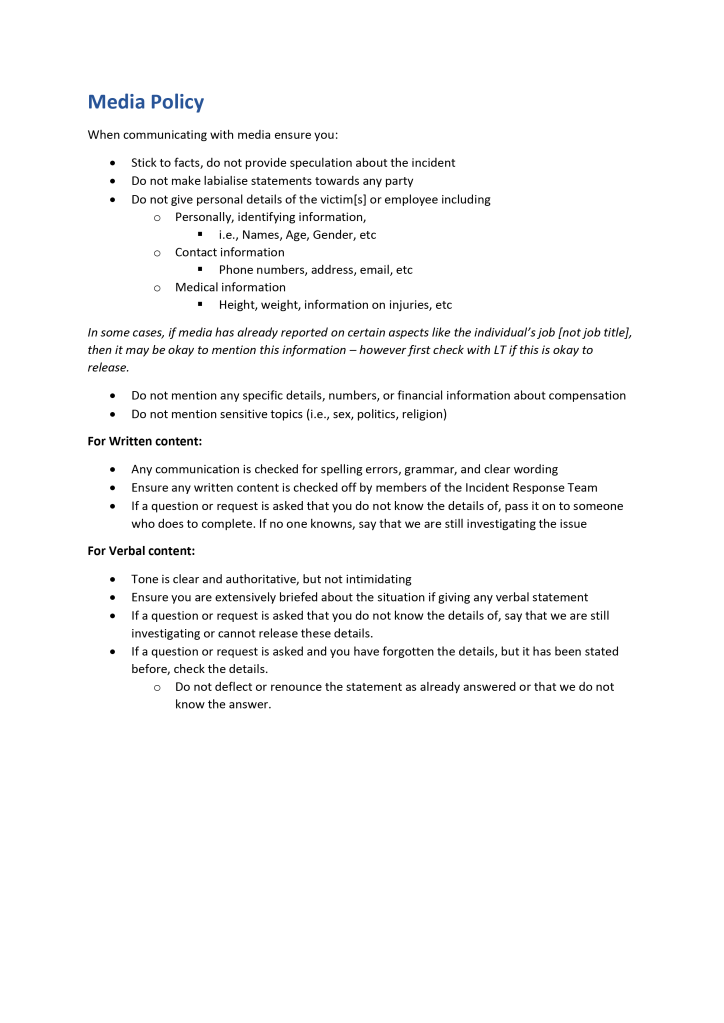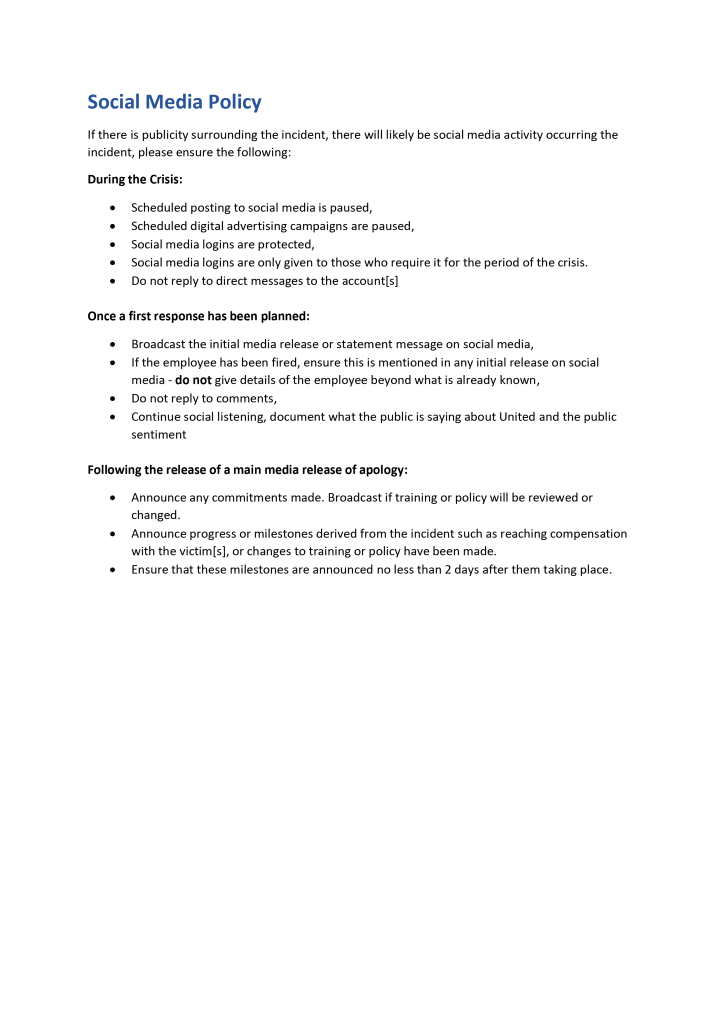

How not to handle a crisis.
In 2017, United Airlines faced major public backlash over the forced removal of an elderly passenger, David Dao, from one of their aircraft. Video was captured of airline personal dragging David from his seat and down the isle of the plane.
The video was widely shared on social media and resulted in one of the largest PR disasters involving airline staff in aviation history.
The company had oversold seats on the plane, and needed to move staff to another airport for their duty on another flight. The airline decided to pull passengers names at random to remove from the flight when none of them volunteered to give up their seats for a small finacial compensation.
The man chosen was david, who was then forcefully removed from the plan. The handling of the ensuing PR was botched at many steps in the process, including when the CEO, Oscar Munoz described the man as “disruptive and belligerent”.
Many scholars, academics, public relations, and communication professionals often refer to this incident as what not do when handling a PR crisis. Companies, and especially major corporations who operation across international borders have communications staff whose job it is to navigate crises. Part of their job is to create crisis plans for every possible scenario, so that if something were to take place, the company would be prepared.
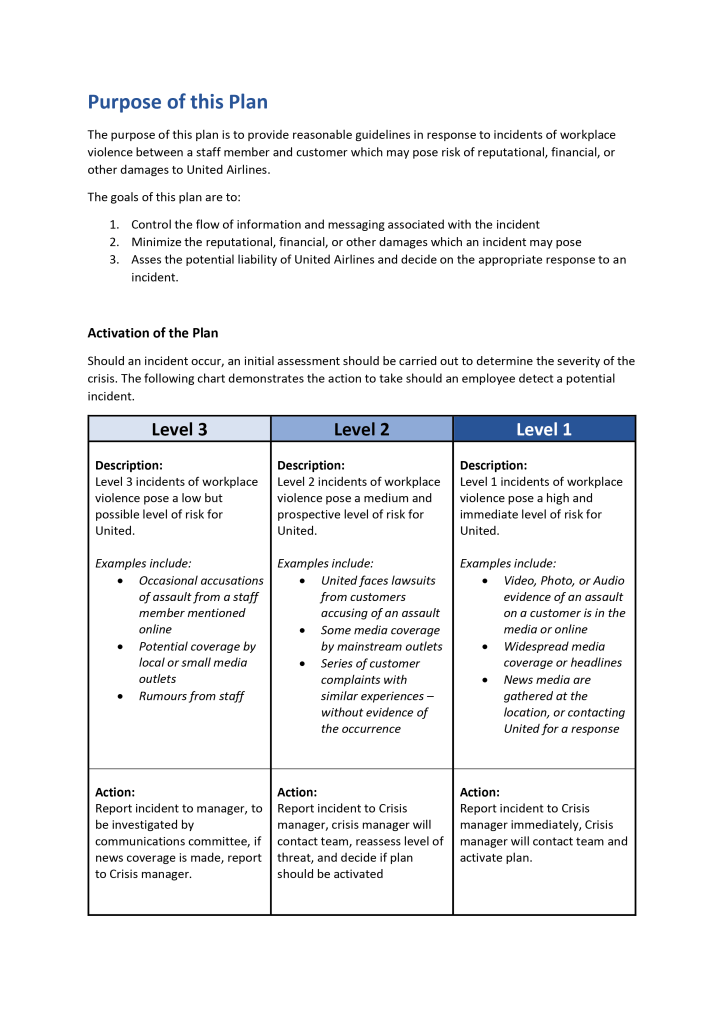
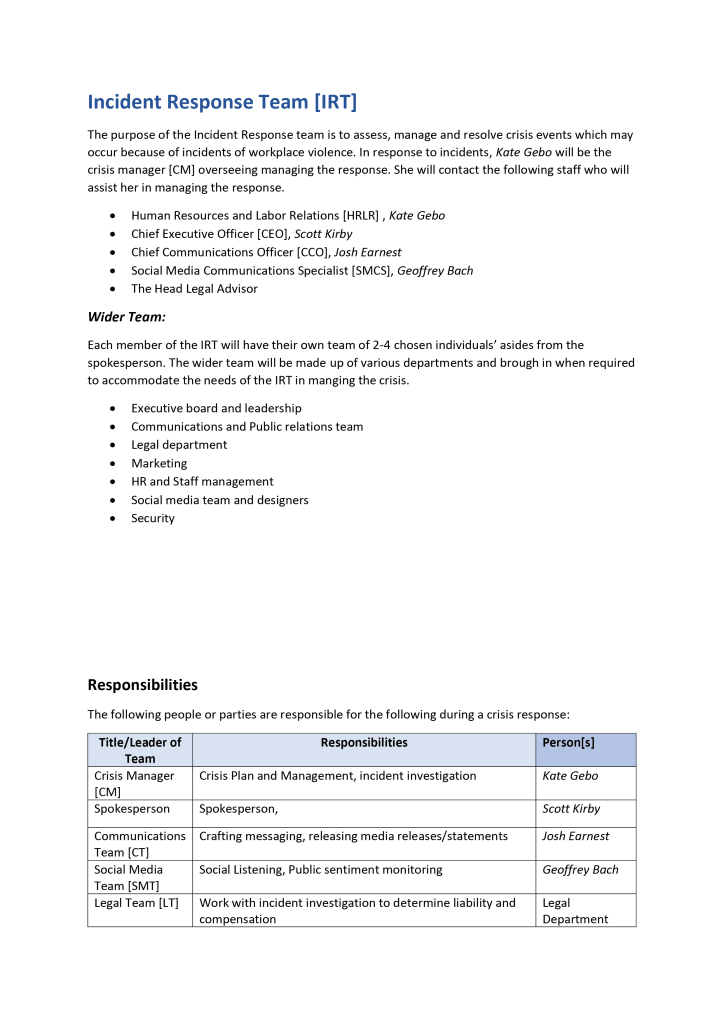
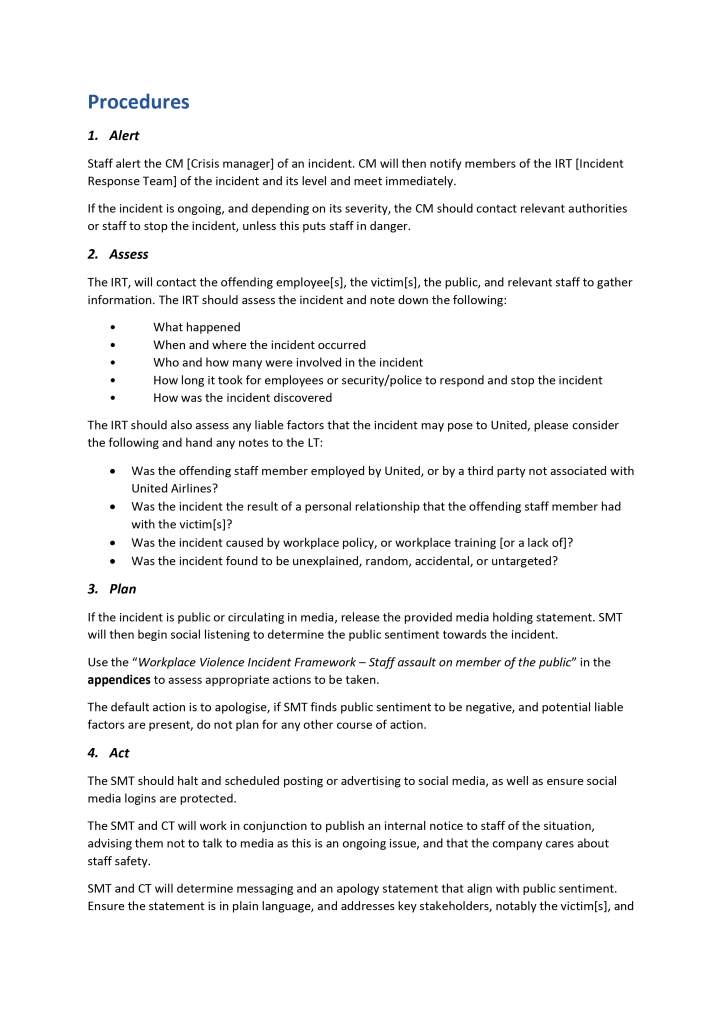
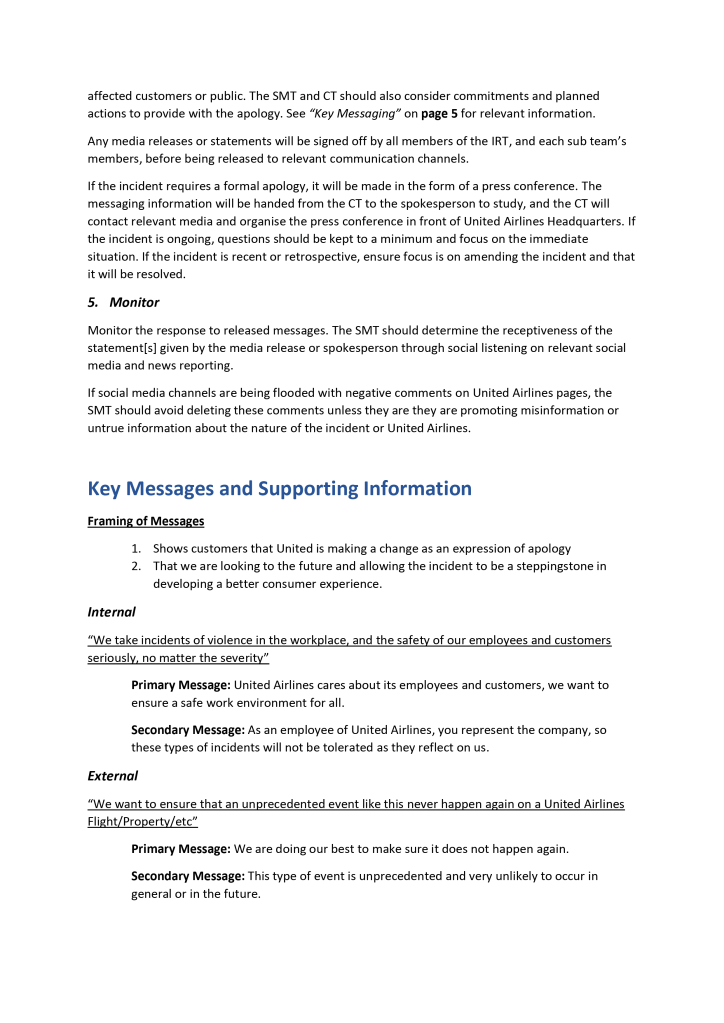
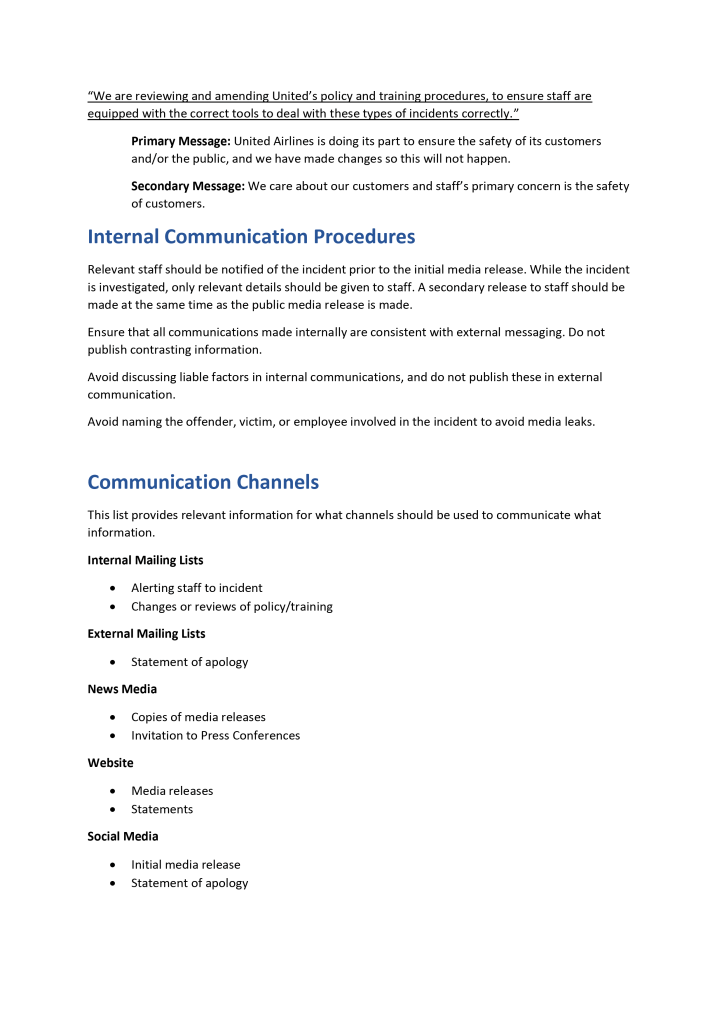
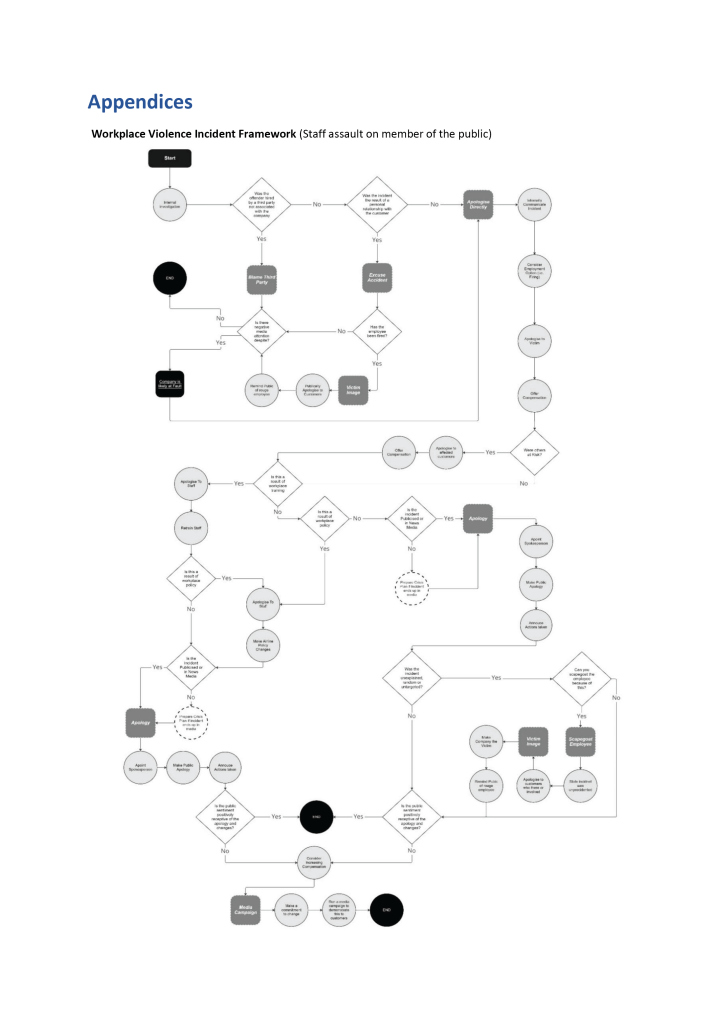
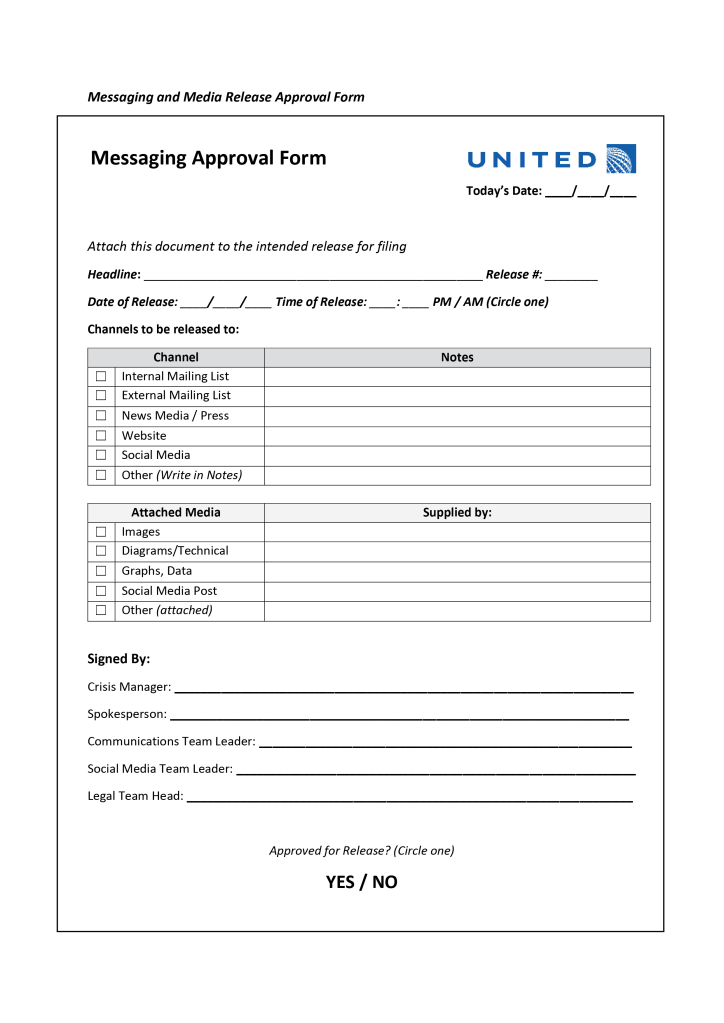
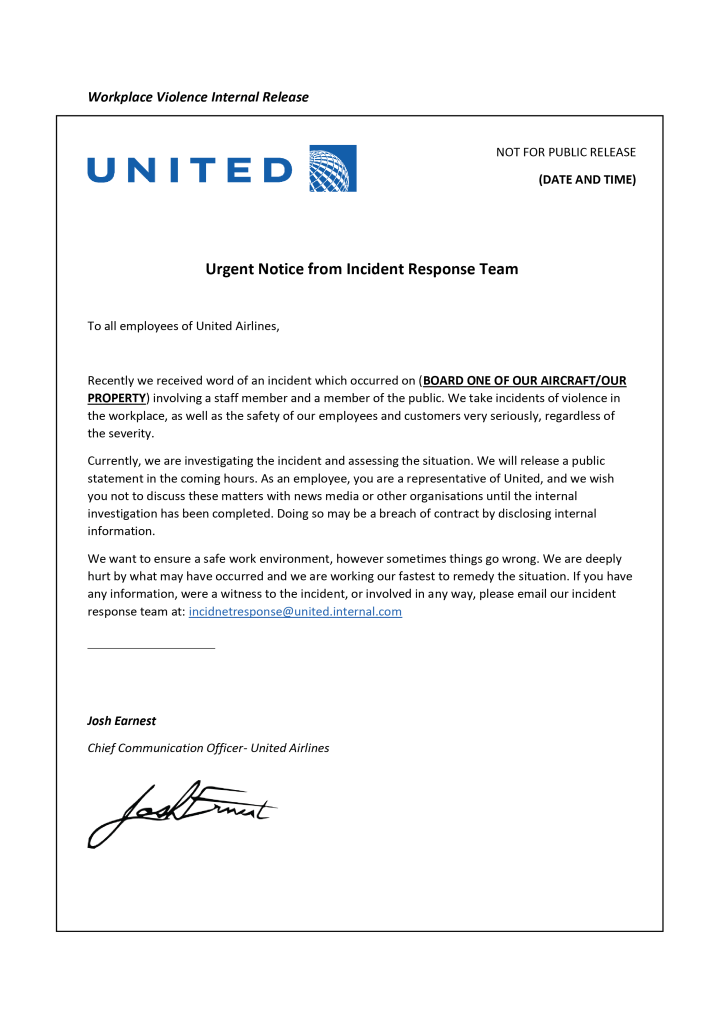
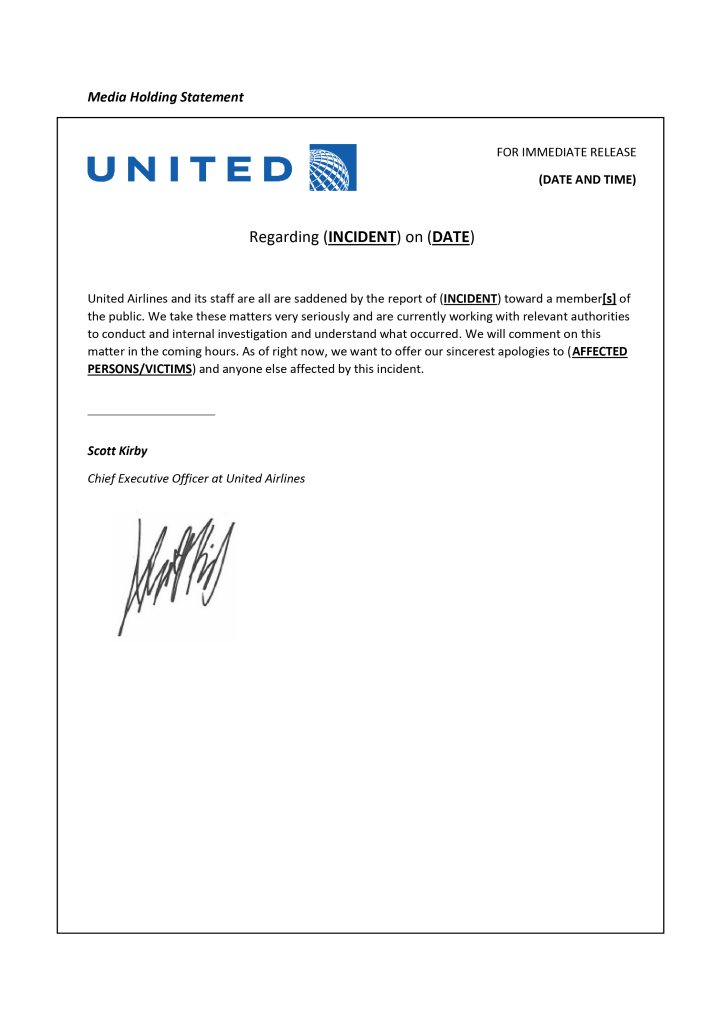
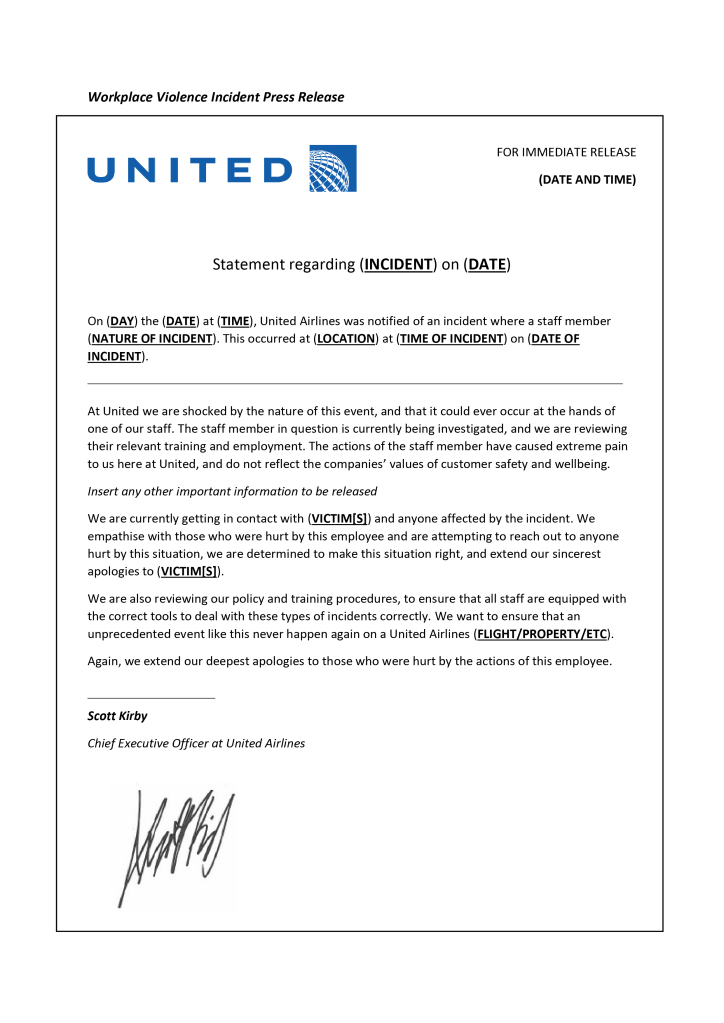
In my time at university, I attempted to create a crisis plan which United Airlines should have had in place to navigate this type of situation.
The Plan: