
Contents:
- Writing the C.V.
- More information on skills
- The most important thing when writing a C.V
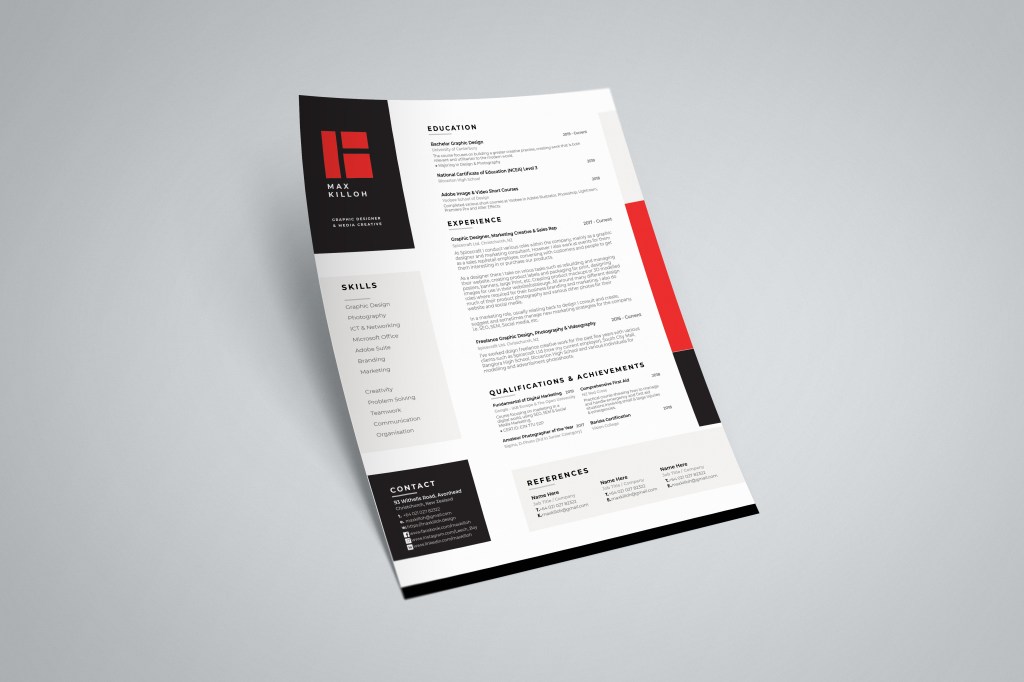
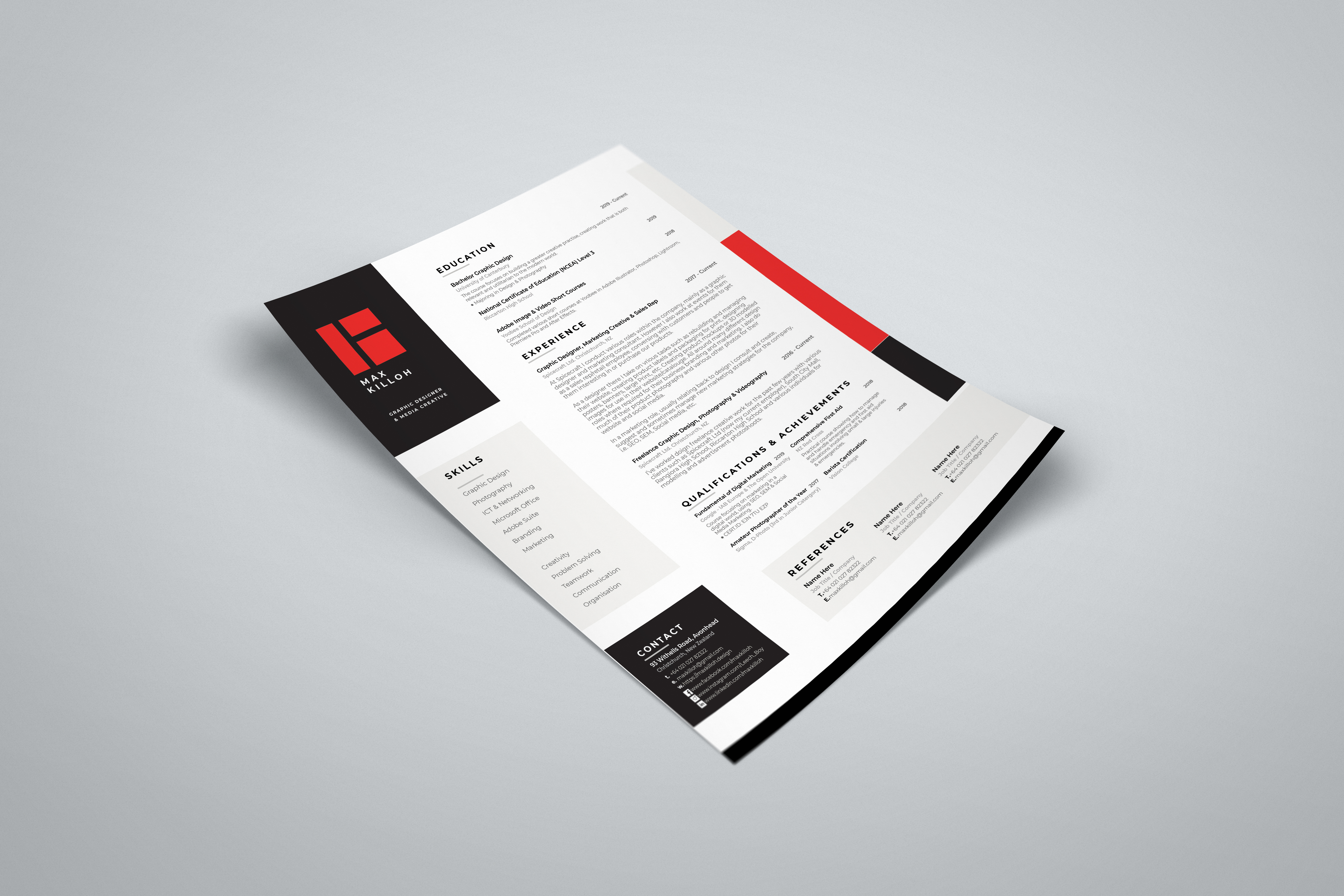
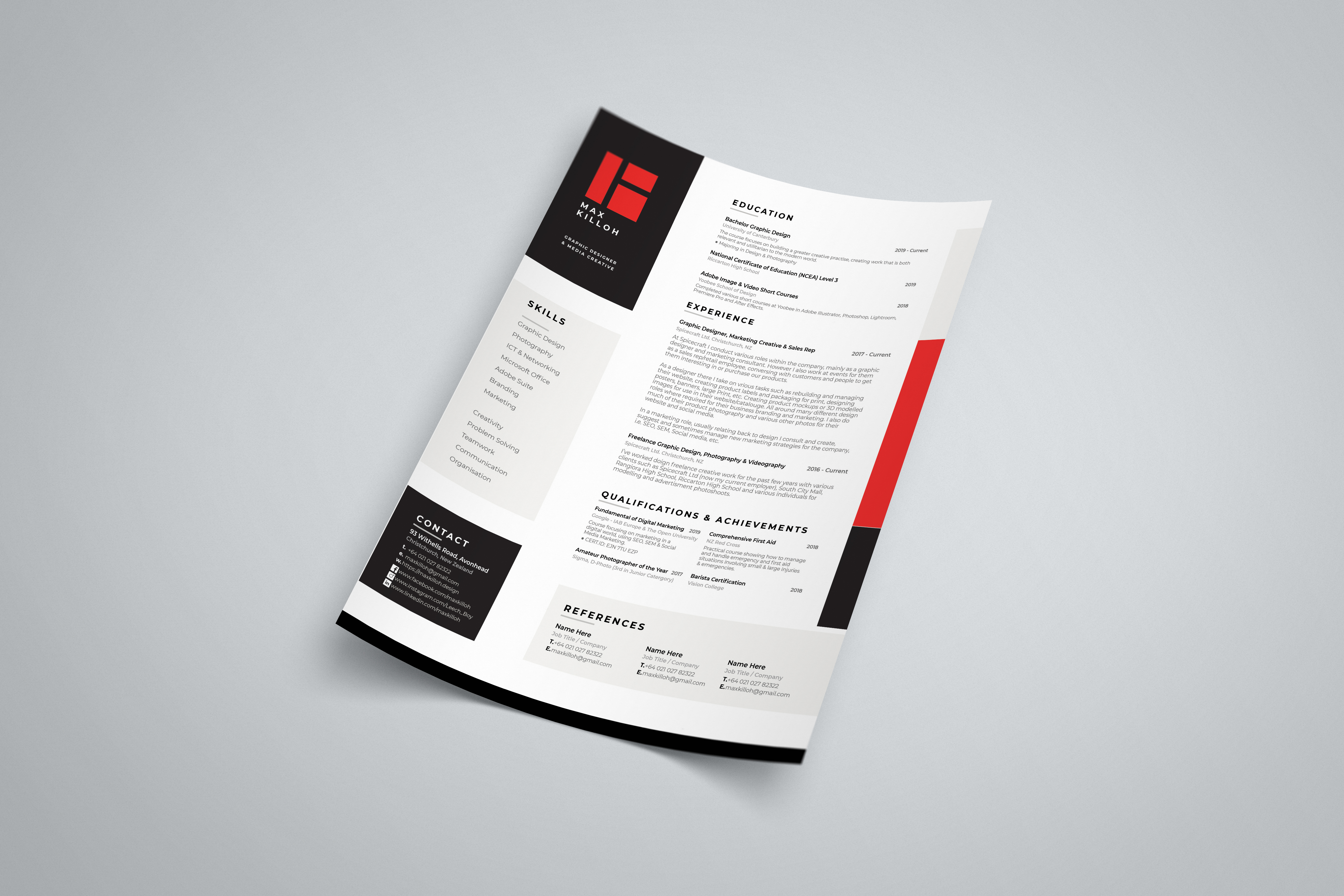
- Example C.V.
As a designer, in my early search for jobs I became quickly obsessed with crafting the perfect C.V. (Resume) design. I would like to say this didn’t take up a significant portion of my time to craft, over actually applying for and finding jobs; however I would be lying if I said otherwise.
After several iterations and scanning web articles a million times over into what goes into a perfect C.V., I finally came up with a publishable product.

When I have talked to most people my age about their C.V., the most striking thing I find is not that their C.V. is badly designed – it’s that it lacks content and lacks confidence in themselves. A good C.V.; especially for students, is not the one with 5 different internships, an array of achievements and specialty skills. A good C.V. is the one where that shows someone is adaptable, able to learn, and demonstrates confidence in this ability.
A good C.V. and cover does take some time to write, however this shouldn’t deter you, I’ll go over some key points on what to consider when writing your C.V. along with design features to include.
Writing The C.V.
The Basic Biographic Elements
If you’ve spent some time looking at any C.V. online you’ll notice many include specialist headings and sections; unless you are applying for a hyper specialist role, then these are completely unessercey. Theres 3 main biographical sections you need, and 4 informational sections. The biographical sections include:
- Name and Role Heading
- Contact and External Links Section
- Short References Section
These sections just contain basic information about yourself – these should be short and sweet. No need to include unessercery infromation such as a bio etc (Unless required by the application, as this should be included within your cover letter).
The Core Informational Elements
The 4 informational sections are the meat and potatos of your C.V., these sections are generally longer and should be used to demonstrate to a prospect employer of the knowledge you have. These sections are:
- Education – i.e. highschool completion level, bachelors or specialist skill courses
- Experience – i.e. previous jobs (if you do not have previous experience, note down leadership roles or positions you may have taken on or assisted with)
- Qualifications and Achievements – i.e. Cerfifications such as forklift licenses, short certificates, Awards, etc
- Skills – i.e. cash handling, organisational skills, etc
Each element in this list should be thought of carefully, each can be adapted and adjusted to create a C.V. depending on the type of job you are applying for.
The Education Section, while important on this list of informational elements, is not the most important. Ensure when writing in this section to include some details about the course or bachelors, etc you have achieved or been persuing. Some employers or recruiters may not understand what your degree is, or have little understanding of what the course actually entails – for this reason it is important to include some information so that you can demonstrate what you have learnt from the course to your potental employer.
The Experience Section is probably the most important sections of your C.V. Do not write just the name of the job and your role. Make sure to include dates of when you worked there and write about your experience there. This section allows you to show your employer exactly what you did in the role and what skills you have gained from it. As a designer I can write down as a skill I can do design, however this section can allow me to explain I’ve worked with digital and large scale print design, working with multple materials, etc. This gives the employer a greater overview of my work and what I can and have done.
The Qualifications and Achievements Section does not need to be lengthy. This is just a section of bite sized information you can include to show to your employer that either A. You have specialty skills, or B. You have been recognised for the efforts you have made in certain feilds.
The Skills Section is often the most confusing section to write. Theres many variations online of what to write and what not to write. From what I have learned, the skills section should be kept as simple as possible and easy to read.
More information on Skills
When it comes to writing the Skills section, 2 main things should be taken into account – the design, and the skills you choose to write down.

The design of this section should be kept simple and easy to read. Using bullet points or a vertical list is the best way to do this. Seperation each skill with commas in a list can make it harder for skills to stand out amongst each other, whereas having a top down list can make each skill apear of equal importance. A common theme in online C.V. templates is to have a status bar showing a level or percentage of how much you understand a skill. I would advise heavily against using this method as:
- it shows you do not possess full knowlege of a skill/topic
- you may fall pray to the dunning-kruger effect when writing on skills you have less proficency on.
- It’s very bloating to the design and harder for the interviewer/recruiter to read/understand if they do not possess the skill themselves – which can make you appear to understand less than you actually do.
The choice of skills you include perhaps matter the most. Skills can be broken into 2 types – soft skills, and hard skills. Soft skills are generic skills that most people have and cannot be demonstrated as easily in the hiring process – things such as organisation, teamwork, communication, etc. Hard skills are specific skills that are either demonstratable or learned through experience – things such as the ability to use certain software like Adobe Creative Cloud products or XERO accounting software. Other skills could include things such as cash handling or use of specific equiptment such as pallet jacks, forklifts, scales , etc.
You should aim to include more hard skills than soft skills in this list, as every C.V. a interviewer reads will likely contain all the generic soft skills people espouse to have. An ideal number is 7 hard skills, and 5 soft skills. I would not add more skills than this as the list will quickly become bloated, and at minimum I would include 5 hard skills and 3 soft skills.
The most important thing when writing a C.V.
The most importance piece of advice I can give you is to have confidence in yourself. In real life, but also on paper. A C.V. is the first thing a person reads about you and employers have many to read over – if you C.V. does not sound confident then you are unlikely to get offered the job.
The job of a C.V. should be to sell yourself. Yes it should contain the nessercery information, the goal of it should be to convince someone that you are worth hiring. When writing the informational sections make sure you demonstrate what you have done, what you have learned and how you can apply it to a generic/specialist skill. Do not lie on your C.V. , although some employers may never know, you do not want to be caught in a position where you need to know how to do something that you actually do not know how to do. I wouldn’t say to stretch the truth either, instead expand on your experience. Go through the details of previous jobs and achievments to explain each little skill you have gained.
If you were given two C.V.s that looked identical in nature, except one did not contain paragraphs explaing a wider picture of the previous job/achievments/etc then you would likely pick the one that did. These paragraphs do not need to be long, but they do not need to be short. Do not fill up these sections with useless information about the job etc, include only information you think an employer would find valuable.
Example C.V.

 Max Killoh Creative